
Few scents carry as much history, mystery or value as oud. In the Gulf it is burned to welcome guests and perfume the home before Eid. In South Asia it is dabbed on before Friday prayers. In the past two decades it has also become one of the most sought-after notes in perfumery worldwide. Yet many people who love it have never been told what it actually is.
Oud is not a flower, a spice or a synthetic invention. It is a wood, and the story of how it forms is one of nature’s strangest.
What is oud?
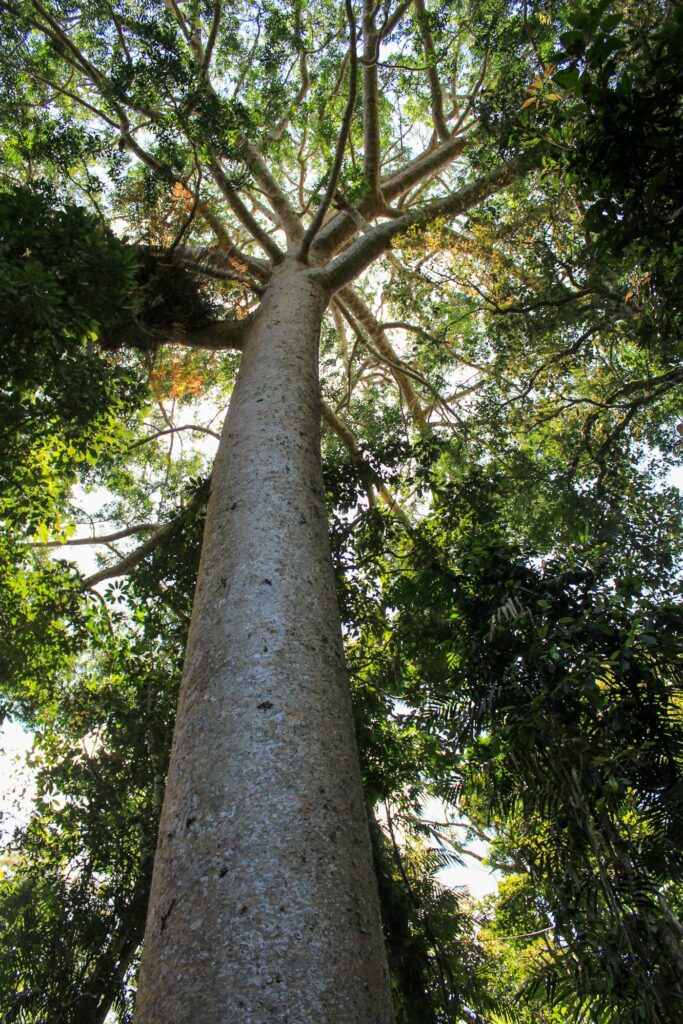
Oud, also called agarwood, aloeswood, gaharu in Malay and jinkō in Japanese, comes from the heartwood of Aquilaria trees, which grow in the forests of South and Southeast Asia. A healthy Aquilaria tree has pale, light wood with almost no scent at all.
Everything changes when the tree is wounded and infected, often by a mould such as Phaeoacremonium parasitica. To defend itself, the tree floods the affected wood with a dark, fragrant resin. Over many years that resin turns soft white wood into dense, dark, oily heartwood. This is oud.
Only a small share of wild trees ever become infected. By one estimate, only around 7 in every 100 trees in natural forests carry the precious resin, which is why wild oud has always been so rare.
Why oud is so precious
Three things make oud one of the most valuable natural materials in perfumery.
- Rarity. Resin forms unpredictably and slowly, and wild trees have been heavily harvested. Since 2004, every Aquilaria species has been listed under CITES, the international agreement that regulates trade in endangered plants and animals.
- Tiny yields. Oud oil is distilled from the resinous wood, and the yield is minute. One widely cited estimate puts it at no more than about 20 ml of oil from 70 kg of wood.
- Time. Fine oud oils are often aged for years, which smooths their rough edges and deepens their character.
Today much of the world’s oud comes from cultivated trees in countries such as India, Bangladesh, Cambodia and Malaysia, where growers deliberately inoculate trees to start resin production. This has made oud more available and has eased pressure on wild forests.
What does oud smell like?
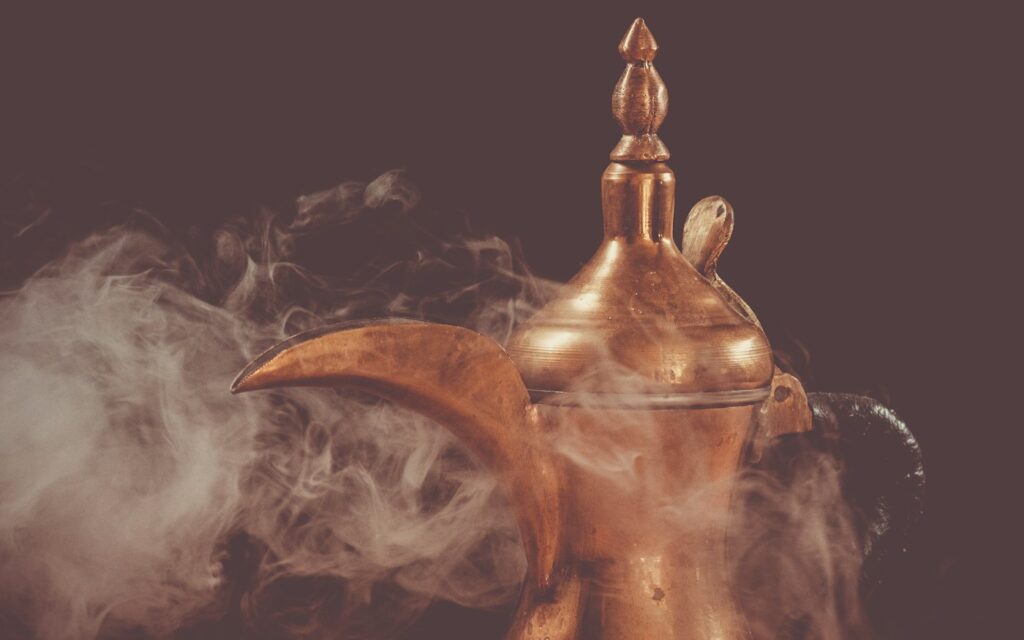
Oud is famously hard to describe, and no two ouds smell quite alike. It is often described as woody, smoky, leathery and balsamic, with a sweetness underneath. Some oils have a fruity or honeyed side; others are dark and animalic, with a note perfumers politely call “barnyard”.
The character depends on where the tree grew, how it was infected, and how the oil was distilled and aged. Oud from India is often described as deep and animalic, while oud from Cambodia and the wider region tends to be sweeter and fruitier. Connoisseurs collect ouds the way others collect fine wines.
Oud in Arabian life: bakhoor and the mabkhara
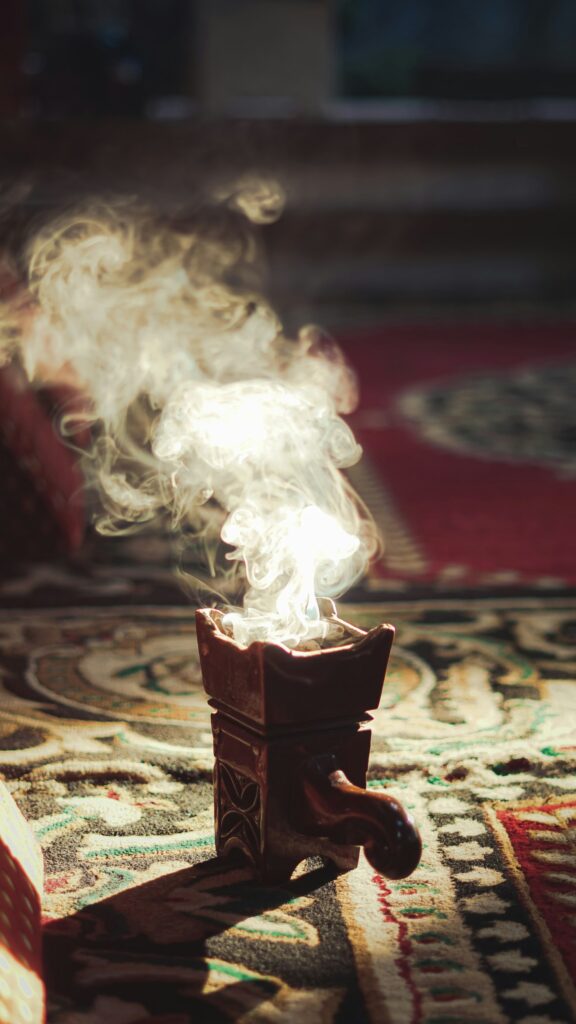
Long before oud was bottled as perfume oil, it was burned. Small chips of agarwood are placed on hot coals in a mabkhara, a traditional incense burner, filling the room with fragrant smoke. Across the Gulf, guests are often offered the burner at the end of a visit so they can scent their clothes and hair before leaving. Oud chips are also burned in mosques and homes on special occasions.
Related to this is bakhoor: wood chips soaked in perfume oils, resins and sometimes sugar, then dried and burned the same way. It is one of the oldest ways of making a home smell beautiful, and one of the most Arabian.
How to wear oud
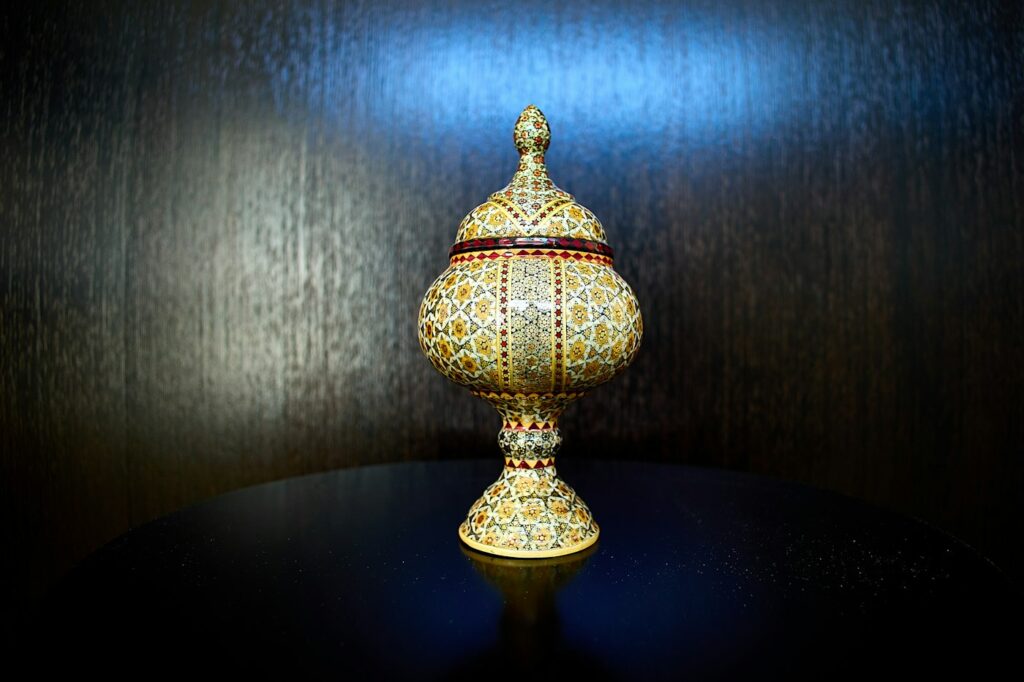
Pure oud oil is powerful, so start with very little.
- One drop is enough. Touch it to your wrists, the base of the throat or behind the ears, and let it warm on the skin.
- Give it time. Oud often opens sharp or smoky and softens beautifully over the first hour. Judge it in the afternoon, not in the first minute. Our guide to top, heart and base notes explains why.
- Pair it. Oud loves rose, saffron, amber and sandalwood. A drop of rose layered with oud is one of the great classic combinations of Middle Eastern perfumery.
- Scent your clothes. Traditionally, oud is worn as much on fabric as on skin, where it can last for days.
Where to begin if you are new to oud
If pure oud oil feels intimidating, a blended oud perfume is the gentlest introduction. Florals and spice soften oud’s smoky edges while keeping its depth. Our own Damascus Oud was made with exactly this in mind: saffron and pear at the top, Bulgarian rose and jasmine at the heart, and oud oil with patchouli in the base, so it wears warm and smooth rather than smoky.
From there, many people find their way to darker, purer ouds, and to the endless variety that has made this resinous wood a legend for more than a thousand years.
Frequently asked questions
What is oud made from?
Oud comes from the resin-filled heartwood of Aquilaria trees. The resin forms when the tree is wounded and infected, and the scented wood is either burned as incense or distilled into oil.
Why is oud so expensive?
Resin forms slowly and unpredictably, wild trees are rare and protected, and distillation yields very little oil from a large amount of wood. Fine oils are also aged for years.
Is oud for men or women?
Both. In the Middle East and South Asia oud has always been worn by men and women alike. Blended with rose or other florals, it suits anyone.
What is the difference between oud and bakhoor?
Oud is the agarwood itself, burned as chips or distilled into oil. Bakhoor is a blend of wood chips soaked in perfume oils and resins, made to be burned as home fragrance.