
Spray a fragrance on your wrist and smell it straight away. Then smell it again an hour later, and once more before bed. You will meet three different characters. This is not the perfume fading. It is the perfume telling its story in the order it was written.
Perfumers describe that story with a simple image: the fragrance pyramid. At the narrow top sit the light, fleeting notes you smell first. In the middle is the heart, the true personality of the scent. At the broad base are the deep, slow materials that stay on your skin long after the rest has gone.
Understanding these three layers is the single most useful thing you can learn about perfume. It explains why a scent smells different in the shop than it does at dinner, why some fragrances last all day, and why you should never judge a perfume in the first ten seconds.
Top notes: the first impression

Top notes are the opening line. They are made of small, light molecules that evaporate quickly, which is exactly why they reach your nose first. Most last somewhere between a few minutes and half an hour.
The classic top notes are bright and sparkling:
- Citrus: bergamot, lemon, mandarin, grapefruit
- Aromatic herbs: lavender, basil, mint
- Light spices and fruits: pink pepper, cardamom, pear, green apple
A perfumer uses the top to draw you in and set the mood. A splash of bergamot says fresh and confident. A touch of saffron says warm and opulent. But a good top note is also a bridge. It has to hand over smoothly to what comes next, or the perfume feels like two unrelated scents stitched together.
Heart notes: the soul of the scent
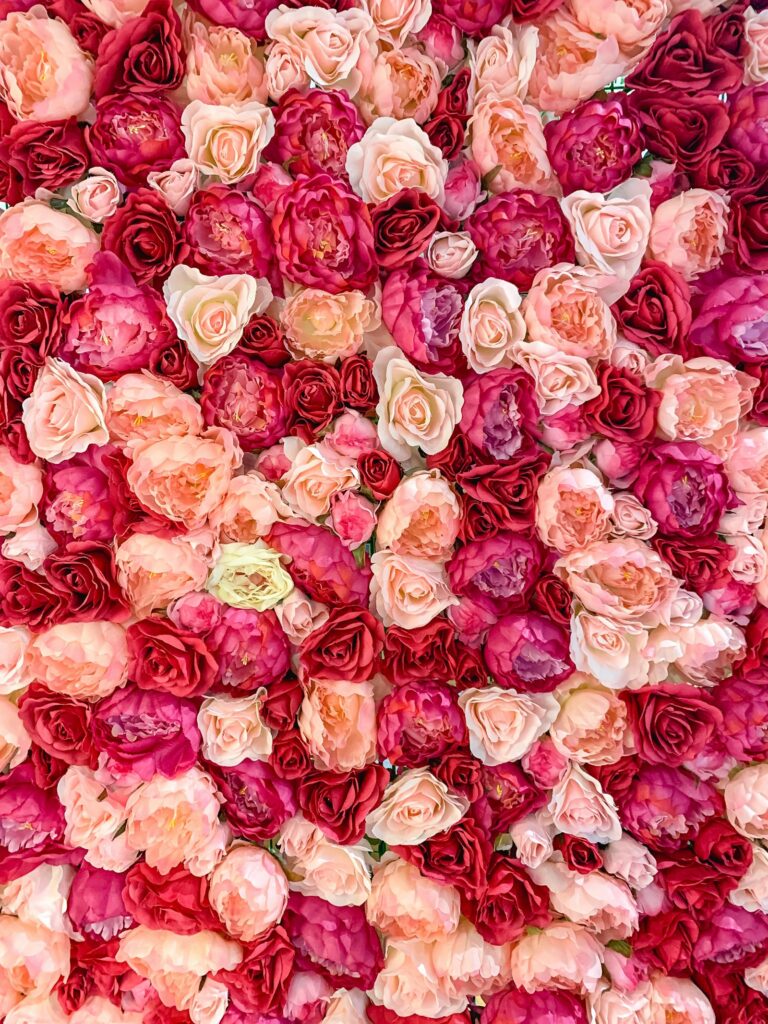
As the top notes lift away, the heart emerges. These middle notes usually appear after fifteen to thirty minutes and carry the fragrance for the next few hours. When someone asks what a perfume “smells like”, they are almost always describing its heart.
This is where you find the great florals and the warmer spices:
- Florals: rose, jasmine, orange blossom, iris, tuberose
- Spices: cinnamon, clove, nutmeg
- Green and fruity accents: fig leaf, plum, blackcurrant
Rose deserves a special mention. It has been the centrepiece of perfumery in the Middle East for over a thousand years, and it remains one of the most versatile heart notes ever used. Paired with citrus it feels fresh and modern. Paired with oud it becomes rich, deep and unmistakably Arabian.
The heart is also where a perfume earns its balance. Too loud, and it overwhelms. Too soft, and the fragrance feels hollow once the opening fades.
Base notes: what stays with you
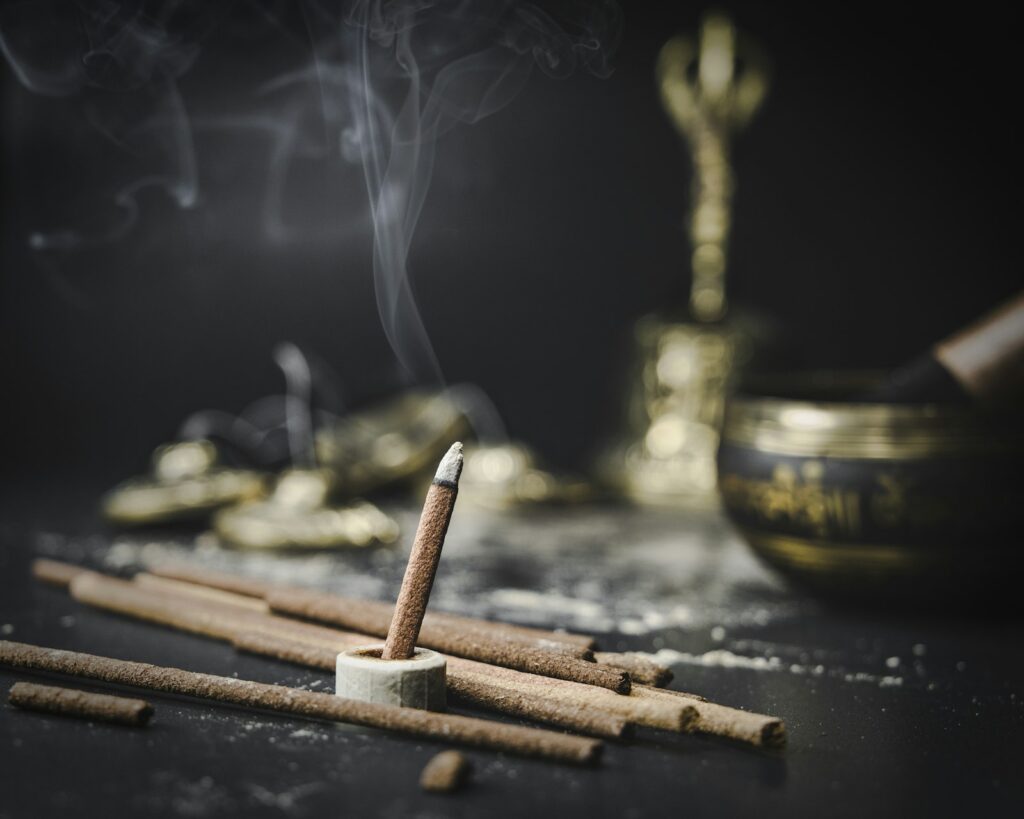
Base notes are the foundation. Their molecules are large and heavy, so they evaporate slowly. You may only notice them properly after an hour or two, but they can linger for six hours, a whole day, or longer on clothing.
The classic base materials are deep and warm:
- Woods: oud (agarwood), sandalwood, cedar, vetiver
- Resins and balsams: amber, frankincense, benzoin
- Soft and sensual notes: musk, vanilla, patchouli
Base notes do two jobs. They are the final chapter of the scent, and they act as fixatives, slowing the evaporation of the lighter notes above them so the whole perfume lasts longer. A fragrance with a weak base tends to vanish by lunchtime, however beautiful its opening.
No base note carries more history in this part of the world than oud. Formed when agarwood trees respond to infection, it produces a dark, resinous oil prized for centuries. In our own Damascus Oud, oud oil and patchouli form the base beneath a heart of Bulgarian rose and jasmine, which is why it settles into a warm, smooth finish rather than a smoky one.
The pyramid, revisited
The pyramid is a useful map, but it is a simplification. In reality, a perfume does not switch from top to heart to base like slides in a presentation. All of its materials begin evaporating the moment it touches your skin. They simply do so at different speeds, so the balance between them shifts gradually over the hours.
Perfumers think less in single notes and more in accords: small groups of materials blended until they read as one new smell. A rose accord might hold real rose oil alongside a hint of citrus and a soft musk, so that it blooms early and still has a whisper left in the evening. This is why the best fragrances feel seamless rather than layered.
Some modern perfumes deliberately flatten the pyramid. Known as linear fragrances, they smell much the same from first spray to last trace. Neither approach is better. A pyramid perfume tells a story; a linear one makes a single, steady statement.
How to smell a perfume properly

Once you know about the three layers, you can test fragrance the way perfumers do:
- Apply to skin, not just paper. A test strip shows the top notes well, but only skin reveals how the heart and base develop with your body’s warmth.
- Wait before deciding. Give it at least thirty minutes. The opening is the least representative part of any perfume.
- Do not rub your wrists together. Friction warms the skin and rushes the top notes, blurring the opening.
- Test no more than two or three at once. Your nose tires quickly. Between scents, smell your own sleeve or simply step outside for fresh air.
- Live with it for a day. Notice how it smells at noon and at night. That final base is what the people around you will remember.
The art behind the bottle
Every perfume you love is a small piece of architecture. Someone chose a bright opening to catch your attention, built a heart to give it character, and laid a base strong enough to carry it through the day. Once you can hear those three voices, you will never smell a fragrance in quite the same way again.
If you enjoyed this, you may like our earlier piece, A Scent For All Seasons, on choosing fragrance through the year.
Frequently asked questions
What are top, heart and base notes?
They are the three stages of a perfume. Top notes are smelled first and fade within about half an hour. Heart notes form the main character for several hours. Base notes are the deepest and last the longest.
Which notes make a perfume last longer?
Heavy base notes such as oud, sandalwood, amber, musk and patchouli. They evaporate slowly and also help hold the lighter notes in place.
Why does a perfume smell different after an hour?
Because the light top notes have evaporated, letting the heart and base come forward. The perfume is not fading; it is moving into its next stage.
What is the best way to test a new fragrance?
Apply it to your skin, wait at least thirty minutes, and wear it for a full day before deciding.