
Long before perfume came in spray bottles, it came in drops. In the bazaars of Lahore, Delhi and Damascus, a perfumer would dip a slender glass rod into a small vial and draw a single line of oil across the back of your hand. No alcohol, no mist, just a concentrated fragrance that warmed on the skin and stayed there for hours. That oil was attar.
Attar is one of the oldest forms of perfumery still practised today. To understand it is to understand where much of modern fragrance began, and why so many people in South Asia and the Middle East still prefer a perfume oil to anything sold in a spray.
What is attar?
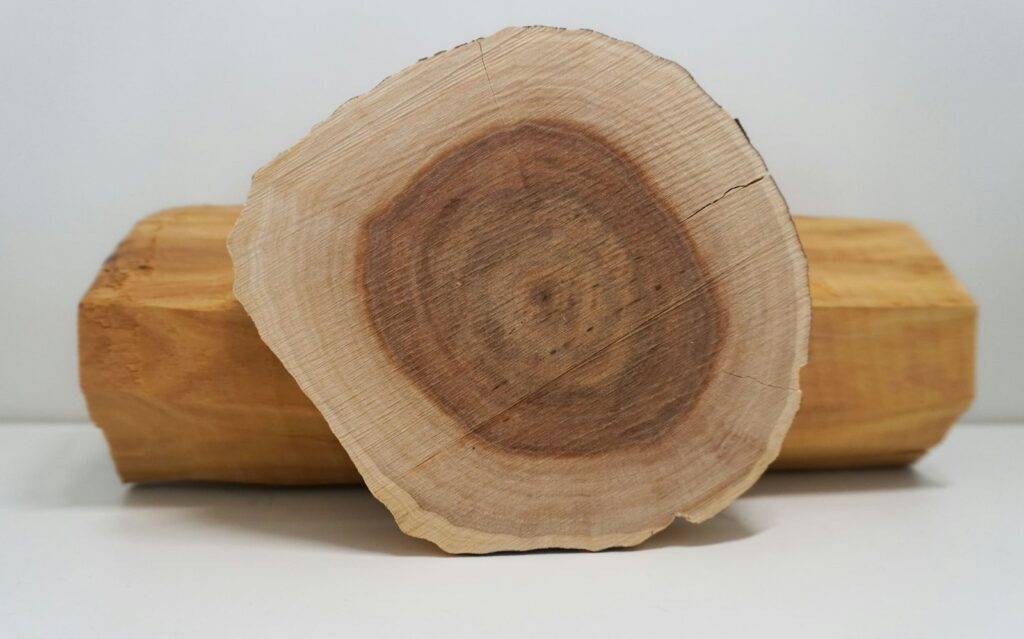
Attar is a natural perfume oil, traditionally made by distilling flowers, herbs, spices or woods and capturing their fragrance in a base oil, most often sandalwood. The word reaches Urdu and Hindi from Persian, and is closely related to the Arabic ʿiṭr, simply meaning perfume. In English it appears in print as early as the 1780s, usually to describe the precious oil of roses.
The key difference from a modern perfume is the carrier. A typical Eau de Parfum is fragrance dissolved in alcohol, which evaporates quickly and throws the scent into the air. An attar has no alcohol at all. It sits closer to the skin, unfolds more slowly and tends to last well, especially on clothing.
A short history, from Bukhara to the bazaar
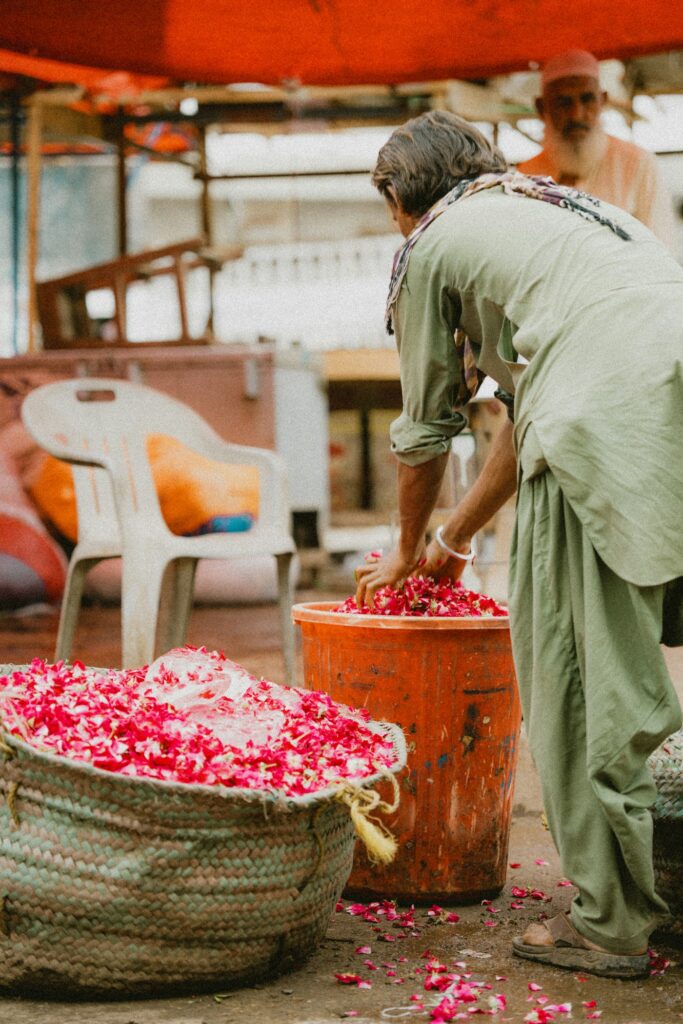
The story of attar is bound up with the story of distillation itself. The Persian physician Ibn Sina, known in Europe as Avicenna (980 to 1037), is widely credited with refining the use of the still to draw fragrant oil and water from flower petals. His work helped turn rose water from a luxury into a staple across the Islamic world.
From Persia the craft travelled east. It flourished under the Delhi Sultanate and grew further under the Mughals, whose courts adored fragrance. Popular legend credits the empress Nur Jahan with the discovery of rose attar, said to have been found as a film of oil floating on her rose-scented bath. It is a story historians treat as legend, but it captures how deeply attar was woven into court life.
No place is more closely tied to attar than Kannauj, a town on the banks of the Ganges once the capital of King Harsha in the seventh century. Often called the perfume capital of India, it received a Geographical Indication tag for “Kannauj Perfume” in 2014. Its distillers still work much as their ancestors did.
How attar is made: the deg and bhapka
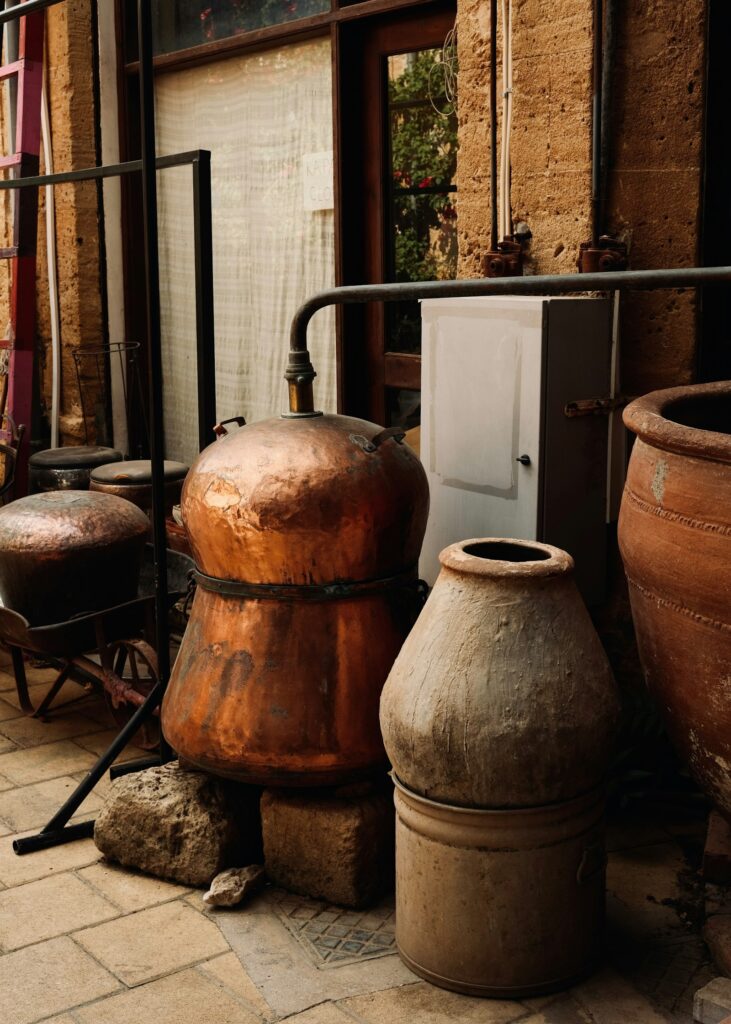
The traditional method is called deg-bhapka, after its two vessels. It is slow, physical work that relies on the distiller’s judgement rather than a thermometer.
- The deg. Fresh flowers or other botanicals are loaded with water into a large copper still, sealed with clay and heated over a wood or charcoal fire.
- The journey. Fragrant steam rises and travels through a bamboo pipe into a second vessel.
- The bhapka. This round copper receiver sits in a tank of cool water, so the steam condenses as it arrives.
- The capture. Inside the bhapka waits a measure of sandalwood oil. The aromatic distillate passes over it, and the oil absorbs and holds the fragrance.
The process is repeated with fresh batches over days, building the intensity until the base is saturated. The finished attar is often left to rest and mature, sometimes for years, so the notes settle and round out.
The great attars
Every region has its favourites, but a few classics define the tradition:
- Rose (ruh gulab). The most celebrated of all, distilled from fresh petals picked at dawn when their scent is strongest. Pure rose attar is rich, honeyed and slightly spicy.
- Mitti. Perhaps the most poetic perfume ever made. Distillers bake shards of earthen clay and distil them to capture the smell of the first monsoon rain on dry ground.
- Shamama. A dense, warm blend of herbs, spices, resins and flowers distilled together, built for cooler months.
- Oud. Deep, resinous agarwood oil, prized across the Gulf and often worn alone or layered under floral attars.
- Motia, kewda and khus. Jasmine, screwpine flower and vetiver root, the cooling scents of a South Asian summer.
Attar versus perfume: what is the difference?
Both can be beautiful, and they simply behave differently. Attar is alcohol-free, concentrated and intimate. It is noticed by people near you rather than across a room, and it lasts well on fabric. Alcohol-based perfume is lighter, more diffusive and often more complex in structure.
For many people the absence of alcohol matters for reasons of faith, which is why attar is commonly worn before Friday prayers and on Eid. Others simply prefer the way an oil wears: softer at first, then warm and steady through the day. If you want to understand how any fragrance changes over those hours, our guide to top, heart and base notes explains the stages.
How to wear attar
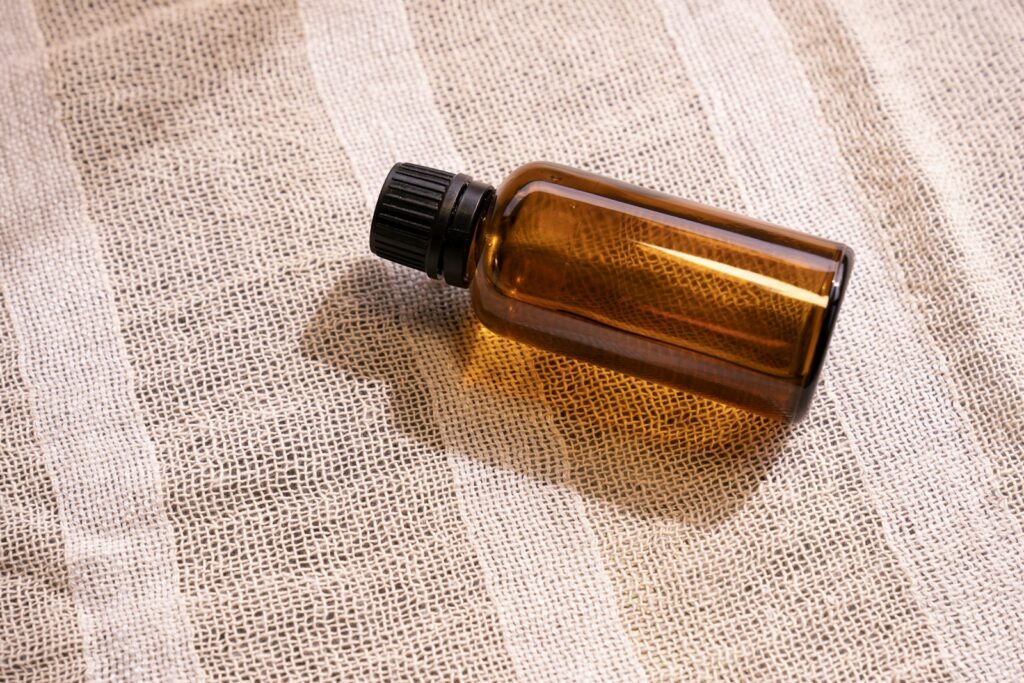
Attar is strong, so a little goes a long way. Use the stopper or applicator to touch a single drop to your wrists, behind your ears or at the base of your throat, and let it warm without rubbing. Men often add a touch to the beard or collar.
In the old bazaars, a perfumer would also scent a small tuft of cotton and tuck it behind the ear, where it releases fragrance gently all day. Try it once and you will understand the appeal.
Store attar away from heat and sunlight with the cap firmly closed. Good attar often improves with a little age, much like the perfumers intended.
A tradition worth keeping
The craft faces real pressure. Reports suggest Kannauj once had more than 700 distilleries and now has fewer than a hundred, as cheaper synthetic oils and alcohol perfumes take market share. Yet the skill survives, passed from father to son, and interest is returning as people look again for scents with a story behind them.
The next time someone offers you a drop of attar, accept it. You are wearing a thousand years of history.
Frequently asked questions
Is attar alcohol-free?
Yes. Traditional attar is a perfume oil captured in a base such as sandalwood oil, with no alcohol. Always check the label, as some modern “attars” are synthetic blends.
How long does attar last?
Attar usually lasts for several hours on skin and often much longer on clothing. Woody and resinous attars such as oud and shamama last longest.
What is the difference between attar and an essential oil?
An essential oil is the concentrated oil of a single plant. A traditional attar is distilled into a carrier, usually sandalwood, and is made to be worn as perfume.
Can I wear attar with perfume?
Yes. A drop of rose or oud attar underneath a spray of perfume adds depth and helps the fragrance last. Start with the attar, let it settle, then spray lightly over it.