
You spray your favourite fragrance in the morning, and by lunch it seems to have vanished. Before you blame the bottle, consider this: some of it may still be there. Your nose simply stopped noticing it.
Making perfume last longer is part chemistry, part habit. Below are the techniques perfumers and fragrance lovers rely on, and the reasons they work, so you can get every hour out of a scent you love.
Why perfume fades
Fragrance is designed to evaporate. That is how it reaches your nose at all. Lighter molecules, like those in citrus and herbal top notes, leave the skin within minutes. Heavier woods, resins and musks linger for hours. How fast the whole perfume disappears depends on four things: its concentration, its notes, your skin, and the climate around you.
Heat speeds everything up, which is why a fragrance that lasts all day in winter can feel fleeting in a Karachi or Lahore summer. Dry skin also holds scent poorly, because there is less oil for the fragrance molecules to cling to.
1. Choose the right concentration
The label tells you more than the name. These are typical ranges for how much perfume oil is dissolved in the bottle:
- Parfum or extrait: roughly 20 to 30 percent
- Eau de Parfum: roughly 15 to 20 percent
- Eau de Toilette: roughly 5 to 15 percent
- Eau de Cologne: roughly 2 to 4 percent
Higher concentrations generally last longer. Alcohol-free perfume oils, such as traditional attar, also tend to wear for a long time because there is no alcohol to carry the scent away quickly.
2. Moisturise before you apply
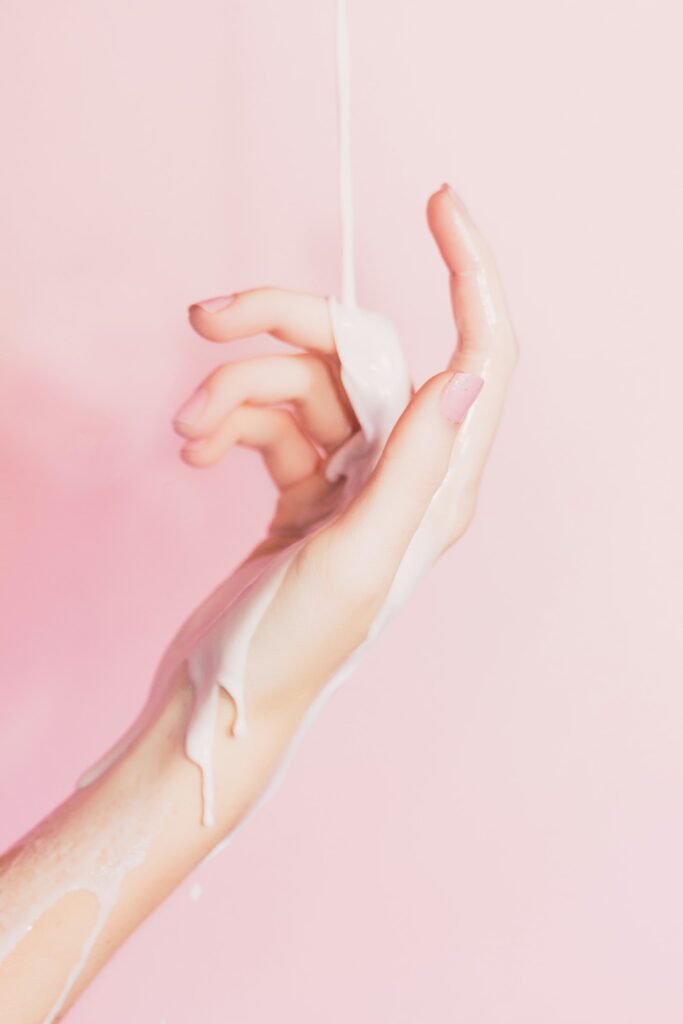
This is the single most effective habit. Fragrance holds far better on hydrated skin. Apply an unscented moisturiser a few minutes before your perfume, ideally straight after a shower while the skin is still slightly warm. A very thin layer of petroleum jelly on the wrists works too.
If you own a matching body lotion for your fragrance, even better. Layering the same scent in two forms builds a stronger foundation.
3. Apply to the right places
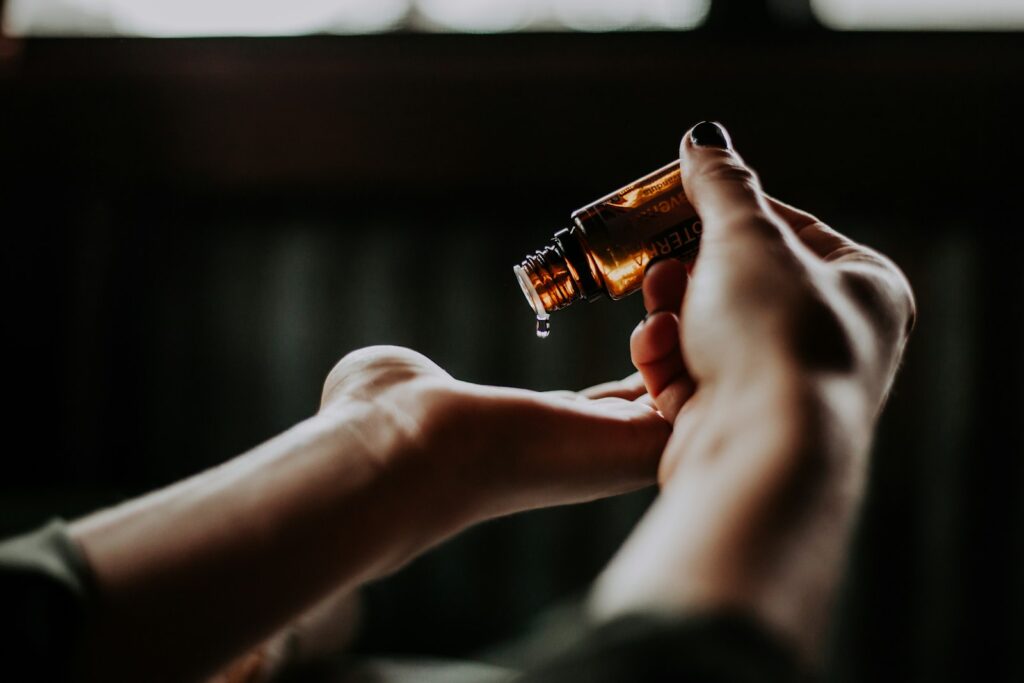
Pulse points, where blood vessels run close to the skin, are warm and help a fragrance bloom: the wrists, the base of the throat, behind the ears and the inner elbows. For longevity, also think about places that are not constantly washed or rubbed. The back of the neck and the collarbone are good choices.
Hair holds fragrance beautifully, but alcohol can dry it out. Instead of spraying directly, mist your hairbrush and run it through, or use a drop of perfume oil on the ends.
4. Do not rub your wrists together
It is an almost universal habit, and it works against you. The friction warms the skin and breaks up the delicate top notes, so the opening fades faster and the scent can smell flatter. Spray, then let it dry on its own. Our guide to top, heart and base notes explains why those first notes matter.
5. Let your clothes carry the scent
Fabric holds fragrance much longer than skin, often for days. Natural fibres such as wool, cotton and cashmere are particularly good at it. A light mist on a scarf or the inside of a jacket collar keeps your perfume around you all day.
Be careful with delicate fabrics. Perfume oils and coloured fragrances can mark silk and pale materials, so spray from a distance or test a hidden spot first.
6. Choose notes that last
If longevity matters most, look at the base of the fragrance pyramid. Oud, sandalwood, amber, vanilla, patchouli and musk are the long-distance runners. Fresh citrus scents are the quickest to fade, which is why the best of them are anchored by something heavier. In our Cairo Bergamot, for example, a bright bergamot opening rests on a base of cedar, musk and labdanum, so the freshness has something to hold on to.
7. Store your perfume properly
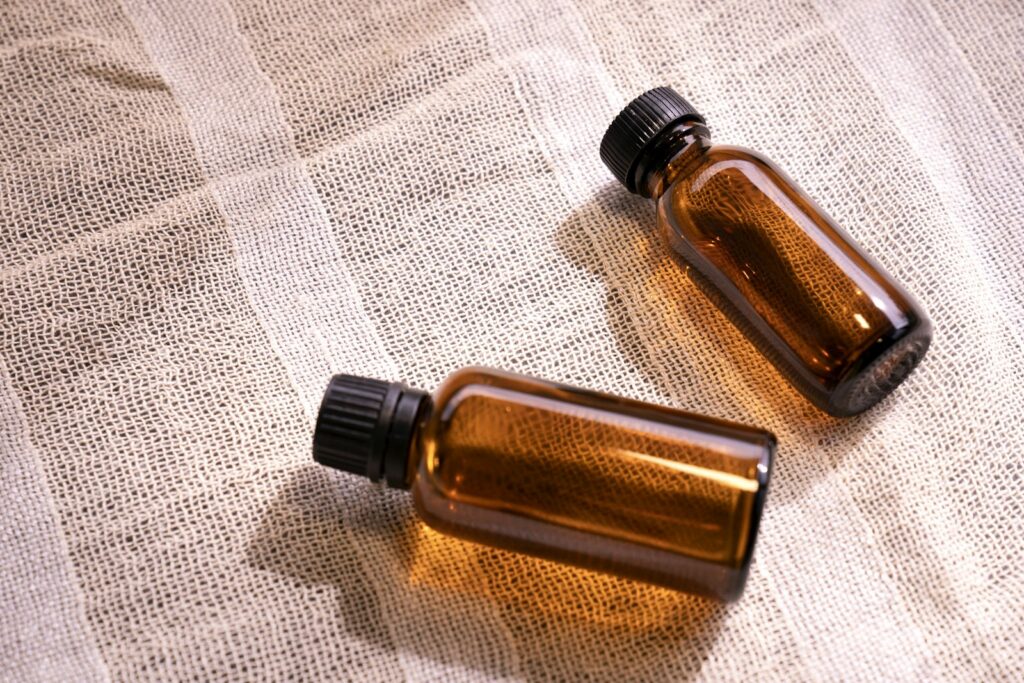
A perfume that has been damaged will never last well on the skin. Heat, light and air are its three enemies. Keep bottles in a cool, dark cupboard, ideally in their box, with the cap on. Avoid the bathroom, where heat and humidity change daily, and never leave a bottle on a sunny windowsill or in a hot car.
8. Remember your nose gets used to it
After a while, your brain filters out smells that do not change, including your own perfume. This is called olfactory adaptation, and it is why you may think a scent has gone while people around you can still smell it. Before reapplying, ask someone close to you, or step outside for a few minutes and come back in.
9. Reapply with care
When you do need a top-up, less is more. Carry a small travel atomiser or a perfume oil, and add a single spray or drop to one pulse point rather than repeating your full morning routine. You will refresh the scent without overwhelming the room.
10. Match the scent to the season
In hot, humid weather, fragrance evaporates fastest and can also feel heavy. Lighter compositions with a good woody or musky base suit summer. Save the rich ouds, ambers and spices for cooler evenings and winter, when they unfold slowly and last longest. Our piece A Scent For All Seasons has more on choosing by season.
Frequently asked questions
Why can’t I smell my perfume after an hour?
Often it is still there. Your nose adapts to constant smells and stops registering them, while others can still notice the fragrance. Light top notes may also have evaporated, leaving softer base notes behind.
Does perfume last longer on clothes or skin?
Generally on clothes. Fabric does not absorb or warm the fragrance the way skin does, so it evaporates more slowly. Test delicate fabrics first, as oils can stain.
Which perfume concentration lasts the longest?
Parfum or extrait, at roughly 20 to 30 percent perfume oil, usually lasts longest, followed by Eau de Parfum. Alcohol-free perfume oils also tend to wear well.
Does perfume expire?
Yes, gradually. Stored well, most fragrances keep for several years. If the colour darkens sharply or the opening smells sour or metallic, it has started to turn.