
Of all the materials a perfumer can reach for, none has been loved for longer than the rose. It scented the gardens of Persia, the courts of the Mughals and the bath houses of Damascus, and today it sits at the heart of a remarkable share of the world’s great perfumes. Yet the rose in a bottle is not one thing. Rose oil comes in different forms, from different flowers, grown in a handful of valleys where the climate is just right.
This is the story of how a fragile petal becomes one of the most precious oils in perfumery, and what to look for when you wear it.
Which roses make rose oil?
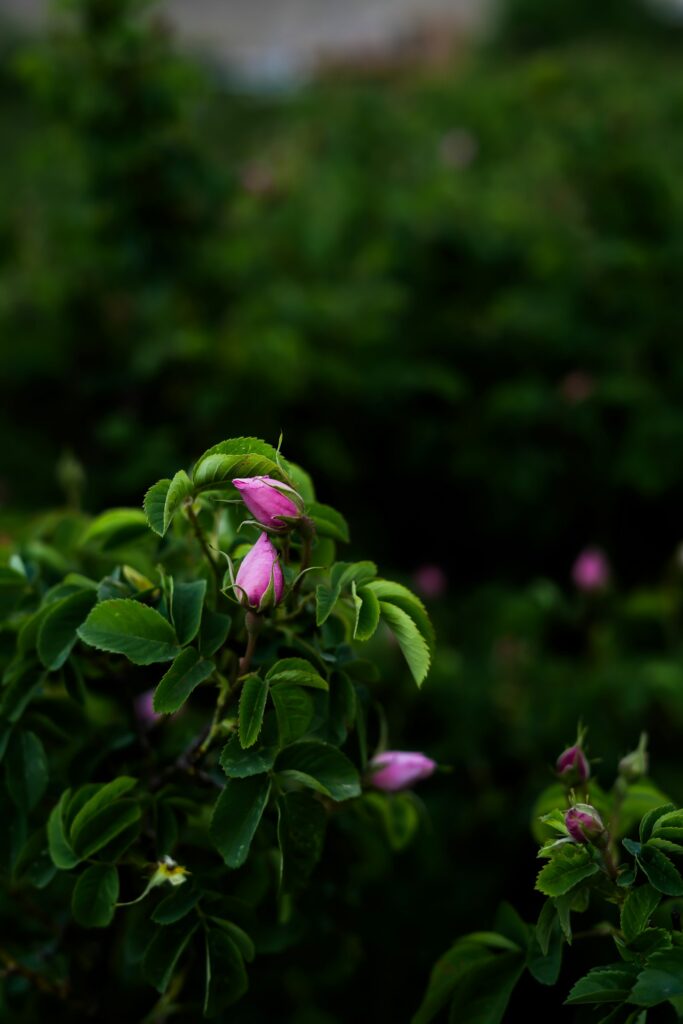
There are thousands of rose varieties, but perfumery relies on very few of them. The garden roses you buy in a bouquet are bred for colour and long stems, and many have surprisingly little scent. The perfumer’s roses are older, shrubbier and far more fragrant.
- The damask rose (Rosa damascena). The great rose of the East, with loose pink blooms and an intense, honeyed, slightly spicy scent. It is believed to have originated in Persia or Central Asia, and it is the source of almost all distilled rose oil.
- The cabbage rose (Rosa centifolia). Known in France as rose de mai, the May rose, for its short spring flowering. It is grown around Grasse and in Morocco and Egypt, and is mostly made into rose absolute rather than distilled oil.
The two smell related but distinct. Damask rose tends to be richer and spicier, with a fruity, almost wine-like depth. Centifolia is softer, greener and more honeyed.
Where the world’s rose oil grows
Damask roses need cool nights, warm days, gentle spring rain and good soil. Only a few places offer all of these, and each gives its oil a slightly different character.
Bulgaria. The Rose Valley near Kazanlak, a long strip of land between the Balkan Mountains and the Sredna Gora range in the centre of the country, is the most famous rose-growing region on earth. Damask roses reached the area from the Middle East in the seventeenth century, and Bulgarian rose oil has been the benchmark for perfumers ever since.
Turkey. Around the town of Isparta in the south-west, Turkish growers produce a rose oil that rivals Bulgaria’s in volume and quality.
Taif, Saudi Arabia. High in the mountains above Makkah, the Taif rose is a damask rose prized across the Gulf. Its oil is often described as spicier and more intense than European oils, and it is traditionally sold by the tola, a measure of about 12 grams. Taif’s farms produce hundreds of millions of roses each spring, and distillers have long reckoned that a single tola of oil needs around 70,000 blooms.
Iran, India and Pakistan. Smaller amounts of rose oil and great quantities of rose water are made here, often by families using copper stills much as their grandparents did. In South Asia, rose is also the classic note of traditional attar perfume oils, captured into a sandalwood base.
The harvest: a race against the sun
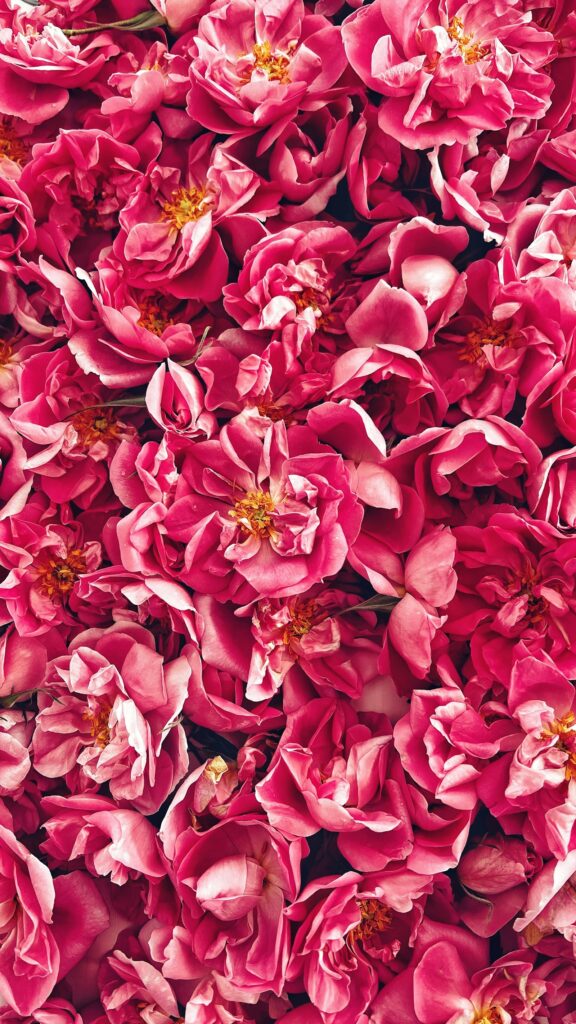
A rose gives up its fragrance most generously in the cool hours after dawn. As the day warms, the volatile oils in the petals begin to evaporate, and the yield falls. So in Bulgaria the pickers are in the fields from around four in the morning and finish by mid-morning, working through a season that lasts only about three weeks around late May and early June. Taif’s harvest comes earlier, in early spring.
Every bloom is picked by hand and taken to the distillery the same day, because petals that sit too long begin to ferment and lose their sweetness. The numbers are humbling. Roughly three kilograms of petals yield a single millilitre of Bulgarian rose oil, which means a kilogram of oil needs around three tonnes of flowers. It is why rose oil is one of the costliest natural materials a perfumer can buy.
Rose otto: distilled from the petal
The classic form of rose oil is called rose otto, a word that grew out of attar, the old name for perfume oil. It is made by distillation: fresh petals are packed into large copper stills with water and heated, and the fragrant steam is cooled until it condenses.
The rose holds a secret here. One of its most important scent molecules, phenylethyl alcohol, dissolves readily in water, so much of it stays behind in the distilled water rather than in the oil. Distillers therefore distil that water a second time, a process called cohobation, to recover as much as they can. The scented water left at the end is rose water, which is why good rose water smells so convincingly of fresh petals.
Rose otto is pale yellow and bright, with a fresh, lemony, honeyed and slightly spicy scent. Its fragrance is built mainly on molecules called citronellol and geraniol, but some of its most magical effects come from traces of others. Beta-damascenone, present at around one per cent or often far less, contributes a rich, fruity depth out of all proportion to its quantity.
Rose otto also contains natural waxes called stearoptenes. They have almost no scent, but they make pure otto turn cloudy or even solid in a cool room. Warm the bottle gently in your hand and it clears again.
Rose absolute: the flower, as it smells in the hand
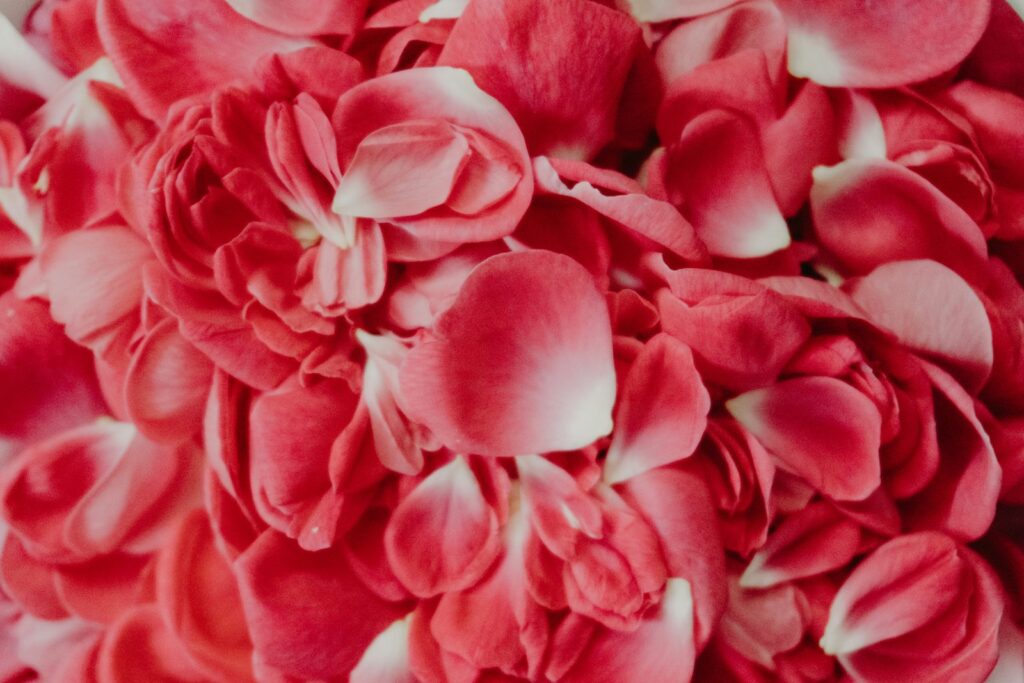
The second form is rose absolute, made without heat. The petals are washed with a solvent, which draws out their fragrance along with natural waxes and colour. When the solvent is removed, a fragrant, waxy paste called a concrete remains. This is then washed with alcohol to separate the scent from the wax, and the alcohol is gently evaporated to leave the absolute.
Because no water is involved, the phenylethyl alcohol stays in, and so do heavier molecules that never rise with steam. The result is a deep orange-red liquid with a fuller, sweeter, more honeyed scent that perfumers often say is closer to burying your nose in a fresh bloom. The yield is also higher than distillation, which makes absolute less costly than otto, though still precious.
Neither form is better. Otto is luminous and airy and suits traditional oils and fine fragrance alike. Absolute is lush and velvety and brings warmth to the heart of a perfume. Many perfumers use both together.
How perfumers use rose
Rose is one of the most versatile materials in the perfumer’s palette. On its own it can feel classic and romantic, but paired with the right partners it can turn dark, spicy, green or fresh.
- Rose and oud. The defining pairing of Middle Eastern perfumery. The rose softens oud’s smoky, leathery edges, and the oud gives the rose depth and staying power.
- Rose and saffron. Saffron’s warm, leathery spice draws out the fruitiness of the damask rose, a combination as old as the Persian court.
- Rose and patchouli. Earthy patchouli turns rose dark and modern, a pairing at the heart of many contemporary chypres.
- Rose and citrus. Bergamot or lemon lifts rose into something bright and daytime, perfect for warm weather.
How to wear and care for rose oil
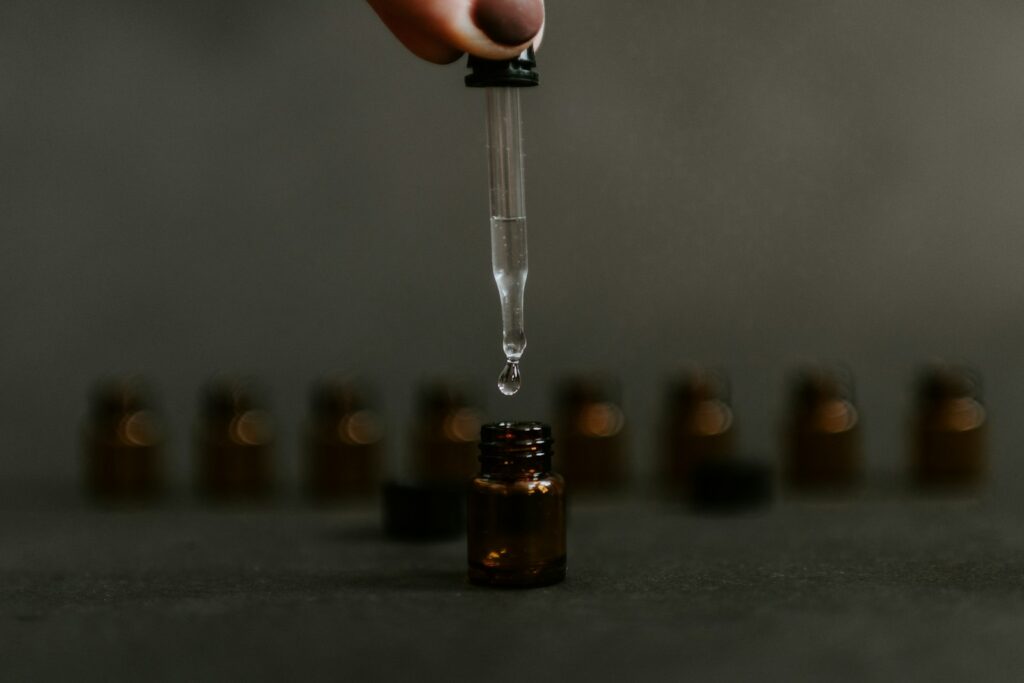
Pure rose oil is extraordinarily concentrated, so a little goes a very long way. Most rose perfume oils you buy will already be diluted in a carrier, which makes them easier and safer to wear.
- Use a single touch. One drop on the wrists or at the base of the throat is plenty. Rose blooms as it warms on the skin.
- Layer with care. Wear rose first and a deeper oil such as oud or amber over it, or the reverse, and see which you prefer. Small amounts keep the layers clear.
- Keep it cool and dark. Light and heat dull a rose’s freshness. A drawer or cupboard is better than a sunny bathroom shelf, and a tightly closed cap keeps the top notes from escaping.
- Don’t worry if it clouds. A cloudy or solid rose otto in winter is natural. Warm it in your palm for a minute and it will clear.
Above all, give rose time. Its opening can be bright and almost sharp, but over the first hour it settles into something soft and intimate, the scent of a garden at dawn carried on your skin.
Frequently asked questions
What is the difference between rose otto and rose absolute?
Rose otto is distilled with water and steam, giving a pale, fresh, airy oil. Rose absolute is extracted with a solvent and then alcohol, giving a deeper, sweeter, more honeyed liquid that smells closer to the living flower. Otto is the rarer and usually the more costly of the two.
Why does my rose oil turn cloudy or solid?
Pure rose otto contains natural waxes called stearoptenes, which crystallise in cool temperatures. It does not mean the oil has spoiled. Warm the bottle gently in your hand and it will become clear again.
Is Taif rose the same as Bulgarian rose?
Both come from the damask rose, but they are grown in very different climates. Taif rose, from the mountains of western Saudi Arabia, is often described as spicier and more intense, while Bulgarian rose is known for its rounded, honeyed, fruity character.
Can men wear rose oil?
Absolutely. Rose has been worn by men across the Middle East and South Asia for centuries, often layered with oud, sandalwood or saffron. Paired with woods and spice, it reads as warm and confident rather than sweet.