
Walk into any perfume shop and you will hear the same words again and again: floral, woody, fresh, oriental, amber. These are fragrance families, the broad groups perfumers use to sort the thousands of scents in the world. Once you know them, choosing a perfume stops being guesswork.
Think of the families as a map. You may not know the name of every street, but if you know you love the old city and dislike the suburbs, you already know where to start walking.
What are fragrance families?
A fragrance family groups perfumes by their dominant character: the impression they leave once the opening has settled. Most perfumes belong mainly to one family, with a touch of a neighbour. A “woody floral” is a floral scent with a woody base; a “fresh amber” is a warm scent lifted by citrus or herbs.
The most widely used system is the fragrance wheel created by the fragrance expert Michael Edwards. It arranges four main families, floral, amber, woody and fresh, in a circle, with smaller subfamilies in between. Families that sit next to each other on the wheel tend to blend well, which is useful when you are layering scents or looking for something new.
Floral: the heart of perfumery
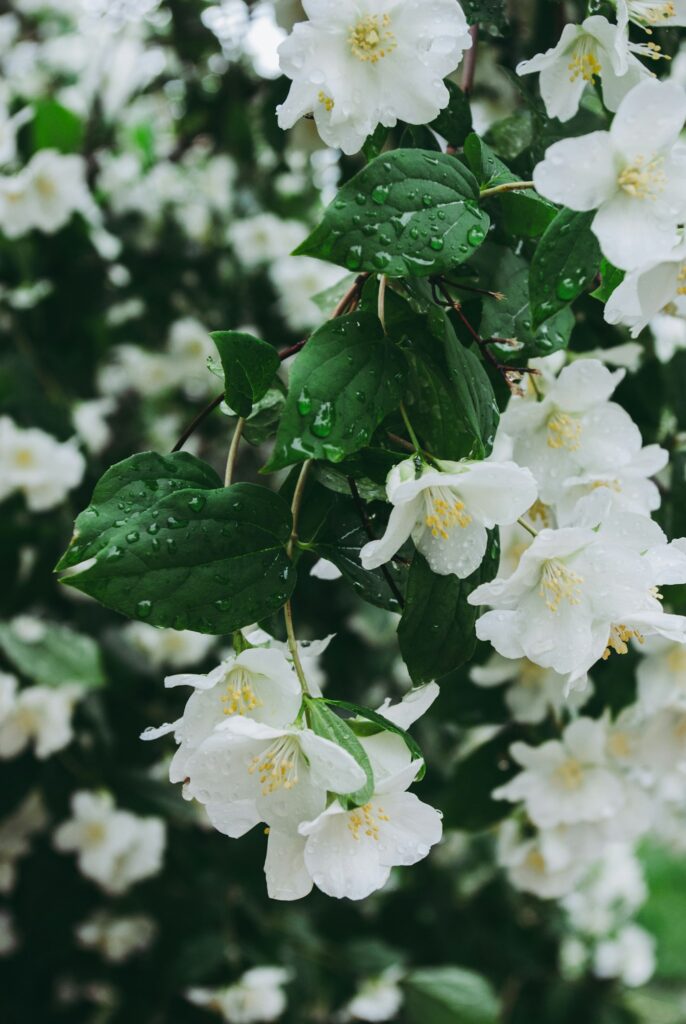
Floral is the largest family, built around the scent of flowers: rose, jasmine, orange blossom, tuberose, iris, lily of the valley. It ranges from light and dewy to rich and heady.
- Soft floral: powdery and gentle, often with iris or a touch of musk.
- Floral: a bouquet or a single flower, such as a pure rose.
- Floral amber: flowers warmed by spice, resin or vanilla.
You may love florals if you enjoy fresh flowers in the house, feminine or romantic moods, or perfumes that feel elegant rather than bold. Florals are by no means only for women. Rose in particular has been worn by men across the Middle East and South Asia for centuries.
Amber: warm, rich and sensual

The amber family, long called “oriental”, is built on warm, glowing materials: vanilla, resins such as benzoin and labdanum, spices like cinnamon and cardamom, and sweet balsams. Many perfumers have moved away from the term “oriental” and now use “amber”, which also describes the golden warmth these scents share.
- Soft amber: incense and resins softened with flowers.
- Amber: vanilla, resins and spices at full warmth.
- Woody amber: amber notes deepened with sandalwood, patchouli or oud.
Within this family sits the gourmand style: perfumes with edible notes like caramel, chocolate, coffee or praline.
You may love amber scents if you are drawn to cosy evenings, cooler weather, and perfumes that people notice and remember.
Woody: grounded and refined

Woody fragrances are built on sandalwood, cedar, vetiver, patchouli and oud. They feel calm, dry and assured, and they form the base of a great many perfumes in other families too.
- Woods: clean cedar, creamy sandalwood, earthy vetiver.
- Mossy woods: oakmoss and patchouli with a damp forest-floor depth. The classic chypre style, built on citrus, florals and moss, lives here.
- Dry woods: smoky, leathery and resinous, including much of the oud tradition.
You may love woody scents if you prefer understated elegance, or want one fragrance that works from the office to the evening.
Fresh: bright and clean

Fresh fragrances are the easiest to wear in heat. They draw on citrus, green leaves, herbs and airy “aquatic” notes that recall sea spray or rain.
- Citrus: bergamot, lemon, grapefruit, mandarin.
- Green: cut grass, leaves, galbanum, fig leaf.
- Water: marine and ozonic notes.
- Aromatic: lavender, rosemary, basil and sage. The classic fougère, built on lavender, herbs and a mossy base, sits between fresh and woody.
You may love fresh scents if you live in a hot climate, want something for daytime and work, or dislike perfumes that feel heavy.
How to find your fragrance family
- Start with what you already love. Look up the notes of two or three perfumes you have enjoyed. You will usually find they share a family.
- Notice your everyday preferences. Do you prefer rose gardens or pine forests, spice markets or the seaside? These instincts are a surprisingly good guide.
- Explore the neighbours. If you love woody scents, try a woody amber or a mossy wood next. Moving one step around the wheel is the easiest way to discover something new without losing what you love.
- Test on skin, and give it time. A perfume’s family shows most clearly in its heart and base, not in the first few minutes. Our guide to top, heart and base notes explains why.
- Think about season and setting. Fresh and floral scents shine in summer and at work; amber and woody scents come alive in winter and in the evening.
Families in the Arabian tradition
Middle Eastern perfumery has always moved freely between families. A traditional blend might pair rose, a floral, with oud, a wood, and then warm both with amber and saffron. This fearless mixing is why Arabian perfumes often feel richer and longer lasting than their Western counterparts, and why the tradition of attar and layering remains so popular.
Fragrance families are a starting point, not a rulebook. The best perfume is the one that feels like you.
Frequently asked questions
What are the main fragrance families?
The four main families are floral, amber (formerly called oriental), woody and fresh. Each has several subfamilies, such as citrus, green, gourmand and mossy woods.
What is the difference between amber and oriental perfumes?
They describe the same family of warm scents built on vanilla, resins and spices. Many in the industry now prefer the term amber.
Which fragrance family lasts longest?
Amber and woody fragrances generally last longest, because they are built on heavy base notes such as resins, vanilla, sandalwood and oud. Fresh and citrus scents fade fastest.
Which fragrance family is best for hot weather?
Fresh fragrances, especially citrus and aromatic scents, feel lightest in heat. Light florals and clean woods also work well during the day.